A Conservation Success Story: Green Turtles

Too often in the environmental space, the stories are of doom and gloom. While our planet and its natural ecosystems including our rivers, lakes, and oceans are under pressure, there are reasons to celebrate. Many of these stories occur because humans cared and decided to take action.

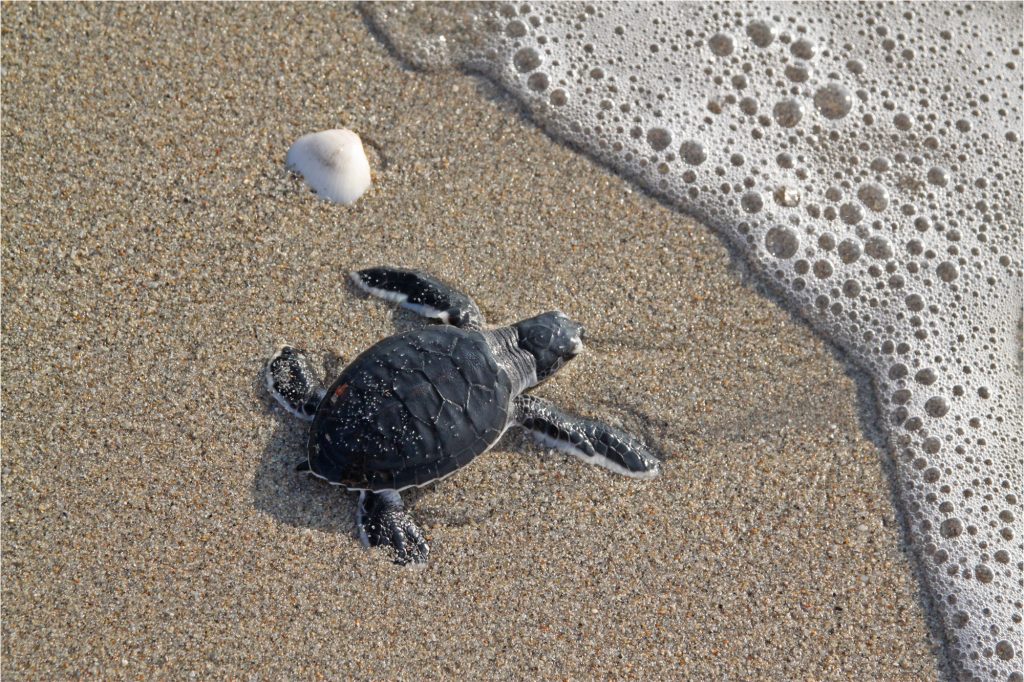
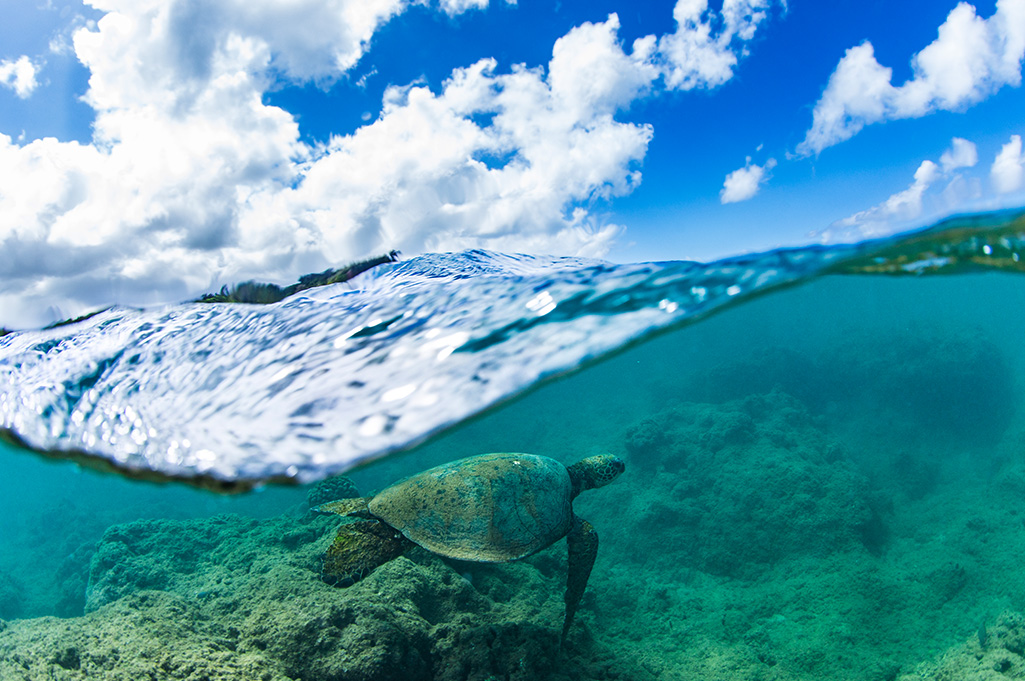
In late 2025, the green turtle, one of the species of sea turtles that nests on Florida’s coast, has been downlisted from “Endangered” to “Least Concern” globally on the International Union for the Conservation of Nature (IUCN) Red List. The IUCN is a global organization working towards conservation of imperiled plants and animals. The movement of the green turtle to “Least Concern” globally is a win for sea turtles and is a story of hope about how human involvement and protection can work for species recovery.

For over a century, green turtles were exploited for their meat, eggs, and shells, while also heavily impacted as bycatch in fishing industries. By the 1970’s, green turtles in the Atlantic were near extinction. In Florida alone in the 1980’s, there were roughly 4,000 green turtle nests annually, which then climbed to 50,000 nests, or more, each year in the state by the 2010’s. This year, Loggerhead Marinelife Center’s research team alone counted 8,363 green turtle nests on the 10 miles of beach that they monitor.
Global Conservation Efforts

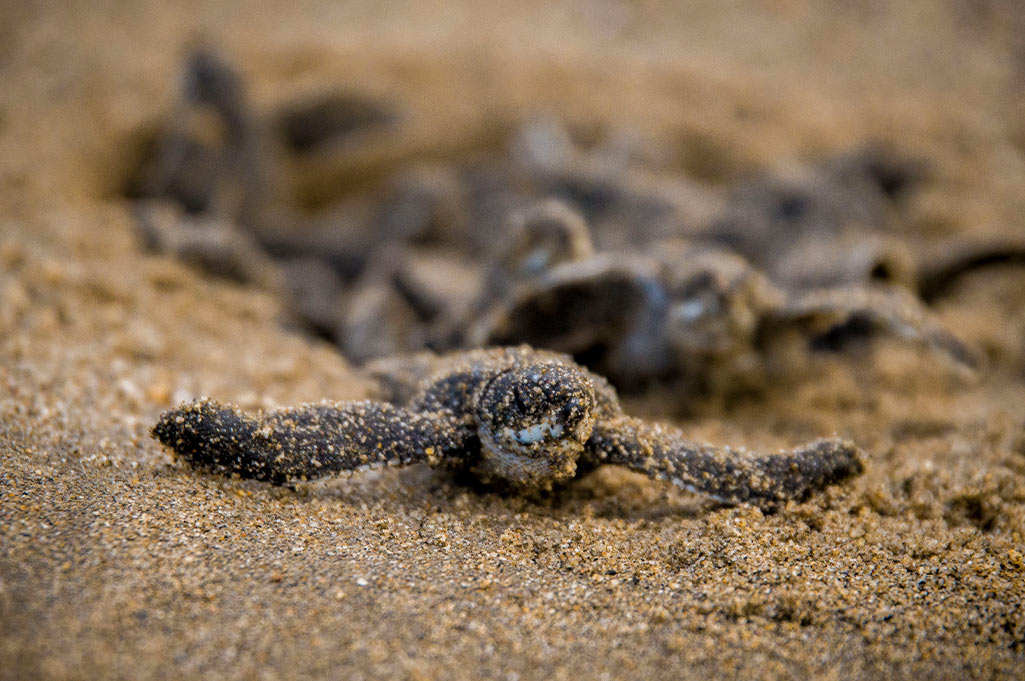
Numerous efforts occurred to help protect sea turtles in the United States and around the world. First, federal protections were put into place such as the Endangered Species Act, which was enacted in 1973. These protections banned harvest of sea turtles for their meat and eggs. In many areas, the nesting beaches themselves were protected from development and poaching activities by establishing standardized nesting beach monitoring to protect the nesting turtles and their eggs. This was coupled with increased educational outreach about why each turtle and each nest matter.

Loggerhead Marinelife Center has been at the forefront of these monitoring and educational efforts since 1983. Another critical aspect related to the increased nest numbers that we see across all three nesting species in Florida came through the development and adoption of the Turtle Excluder Device (TED) for commercial fishing. This unique piece of fishing gear used in trawl fisheries allows the shrimp and other small fish to be captured while pushing any accidentally captured turtles to a hatch, which allows the turtle to swim out.

Continuing This Effort

We should certainly celebrate this conservation win but also highlight that not every regional population of green turtles has increased like we have seen in Florida. We need to ensure continued protection for all sea turtles including the loggerhead, leatherback, hawksbill, and Kemp’s ridley, which are still listed as threatened, endangered, or critically endangered. We have seen how quickly humankind can bring species to the brink of extinction, but when we choose to act as we have done with alligators, bald eagles, buffalo, and now green turtles, we can also help protect and restore these amazing animals and help the ecosystems that they live in.

Andy Dehart

President & CEO

Loggerhead Marinelife Center
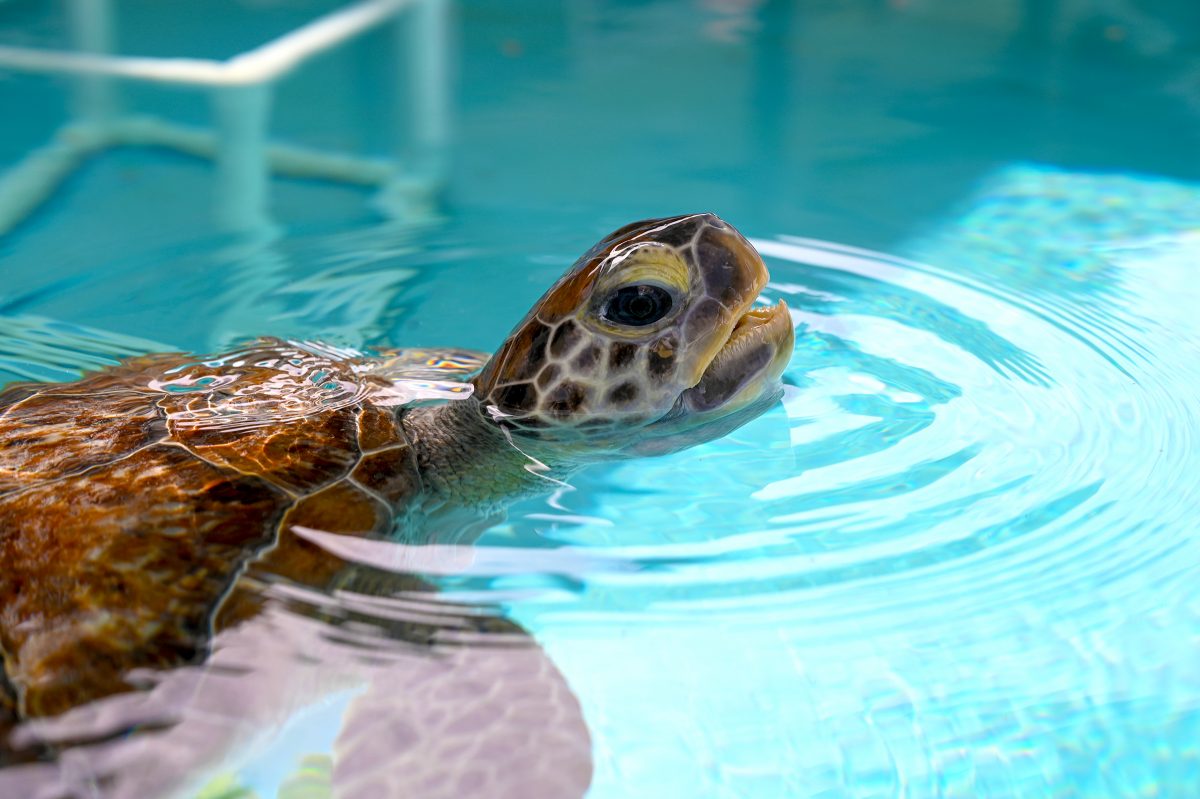
Our Role in Protecting Turtles, From the Nest to the Water

Loggerhead Marinelife Center has a front row seat to one of the busiest nesting beaches in the world for sea turtles. The 9.5 miles of beach that we monitor and study sees nesting activity by three species: leatherbacks, loggerheads, and green turtles. From year to year, nesting counts can widely fluctuate in a natural cycle, but we are fortunate that all three species are stable or increasing in our region. However, this not always the case globally.

For hundreds of years, sea turtles have been hunted for their meat and eggs as food, and their shells have been harvested to create various products, ranging from decorative combs to eyeglass frames. Historically, they have been caught as bycatch, or unintended catch, in fishing industries that use trawling nets and longlines. In 1973, the Endangered Species Act was enacted to prevent extinction and promote recovery of imperiled species. A recent article published in PLOS ONE, titled Marine mammals and sea turtles listed under the U.S. Endangered Species Act are recovering, provided an in-depth evaluation of the success of conservation efforts in the United States.

All sea turtle species that we see in Florida’s waters are protected at the state and federal level, which often have separate conservation status designations that are separate from those in the Pacific Ocean. These protections prevent harvest of sea turtles and their nests and offer protection to nesting beaches. The science community and commercial fishing industry worked together over 60 years ago to invent the turtle excluder device (TED), which dramatically reduced sea turtle bycatch and net damage without reducing the targeted catch of the fishermen.

The impacts of this level of protection for species on the verge of extinction have been incredibly successful. In 1979, Florida had just 62 green turtle tests, and by 2015 that number increased to over 37,000. Last summer Loggerhead Marinelife Center researchers counted 1,729 green turtle nests on just 9.5 miles of monitored beach. Sea turtles are a critical part of the marine ecosystem both as predators and prey while also helping to provide food to beach- and shore-based predators and nutrients to dune plants. Each species of sea turtle has a unique diet. Leatherbacks feed on jellyfish, keeping their populations in check, and hawksbills feed on sponges on the reef, preventing competition with corals. Sea turtle hatchlings are also a food source for many animals including gulls and popular game fish such as dolphinfish and wahoo.

Sea turtles are still vulnerable to entanglement in derelict fishing gear, ingestion of plastic, and boat strikes; therefore, their continued protection is essential. At the Center, we are grateful for the collaboration with Loggerhead Marinas to help support our vital work to ensure days on the water are filled with wildlife, whether you are fishing, diving, or just cruising.

Photos courtesy of Andy Dehart

Andy Dehart
President & CEO
Loggerhead Marinelife Center
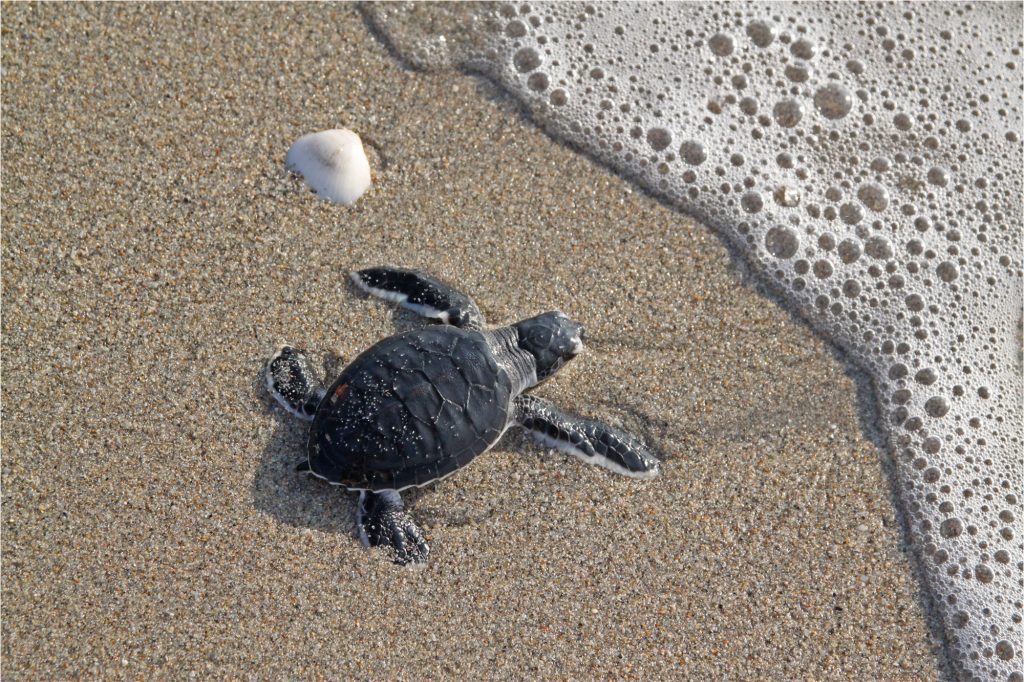
Taking a Look Back on the 2024 Sea Turtle Nesting Season

Each year between March 1 and October 31 the research staff at Loggerhead Marinelife Center (LMC) monitors sea turtle nesting activity on 9.5 miles of beach in North Palm Beach County, Florida; however, nesting often occurs prior to and following those dates. Three species of sea turtles utilize the beaches close to the Center. Because the turtles come ashore during this time, nesting season allows our team the opportunity to study and monitor these populations.

The first species to hit the beaches each year is the leatherback, followed by loggerheads, and then finally the green turtles. 2023 was a record year for sea turtle nesting on the beaches monitored by LMC with over 25,000 total nests, also representing a record of 15,672 nests for loggerheads. This year, as of the end of October, 14,950 total nests have been recorded.

Each evening, LMC staff are working on the beaches as turtles are nesting. During this time the staff can get bloodwork, measurements, weights, and tag key specimens with flipper tags and occasionally satellite tags. One leatherback named Patricia has visited the beaches monitored by the Center frequently and was satellite tagged in 2023. After leaving the beaches of South Florida, Patricia headed all the way up to the chilly waters of the Gulf of St. Lawrence south of Quebec. That is a marathon journey by boat, let alone swimming. Another leatherback named Domino missed the all-time diving depth record for the species by 336 feet reaching 3,669 feet.

With each morning survey, our research team identifies every crawl left by nesting sea turtles. The three species that nest on the local beaches all leave a unique signature path in the sand. Each crawl is identified to a species and reviewed as to whether it was a successful crawl resulting in a nest or a false crawl where the turtle decided not to nest for any number of reasons from type of sand, light pollution, presence of predators, or human interlopers.

While each nesting year is different, the team at Loggerhead Marinelife Center is on the front lines of sea turtle research. Despite nesting numbers being very high last year, hatchling survival was rather low likely due to high temperatures and a dry summer. The rainy season of 2024 has led to increased hatchling production as the rain cools off the nests. Conservation efforts that began nearly 40 years ago have helped most sea turtle populations in the United States begin to rebound, but they are not out of the woods (or sand) just yet. Loggerhead Marinelife Center benefits from the partnership of Loggerhead Marinas which help support the critical work we do.

Andy Dehart – President & CEO

Loggerhead Marinelife Center

Photos courtesy of Christian Del Rosario and Andy Dehart